Insight
Insights made to shift direction, inform decision makers and bring brands closer to subcultures.

TERREX OUTDOOR REFRAME
Terrex was not performing as expected in wholesale. The team wanted insights to better understand consumer behaviour within the outdoor community.
Gathering insight from competitors and online communities, and leveraging a longstanding interest in the category, I identified truths and opportunities for the brand.
First: there was not enough world-building for the brand to compete with market leaders whose designs held many cultural contexts and considerations. Outdoor or 'Gorpcore' represents supercharged life and culture-ready gear — from the commute to the festival to the hike itself. The aim is to expand beyond multi-end use to multi-cultural and contextual thinking. This had already been achieved by the brand in football, where terrace culture brought the product firmly from the pitch to the stands and everyday life.
Consumers were able to justify moving into higher spends — a £500 jacket beats three £200 ones if divided across all cultural and functional contexts. Terrex was in a similar price range with fewer contexts.ho invest the most in culture and community will see the most success. To do this they must know where to look.

TENNIS INSIGHT
Explored why tennis, despite having one of the strongest visual identities in sport, has struggled to achieve the same lifestyle crossover as football or outdoor categories.
The thinking examined how players like Carlos Alcaraz and Jannik Sinner keep tennis culturally relevant through social media, personal style and algorithm-driven visibility, yet that relevance rarely converts into everyday product adoption.
By comparing tennis with football (terrace style, fanwear) and outdoor brands (gorpcore, Salomon XT-6), the work identified a key commercial tension: performance products often succeed when they can transition across multiple use cases, whereas tennis apparel remains heavily associated with on-court performance.
The strategic opportunity identified was to shift thinking from tennis to court culture—designing products that span training, padel, commuting, gym sessions and everyday wear, allowing consumers to buy into the lifestyle surrounding the sport rather than match-day performance alone.
This exploration demonstrates an ability to combine cultural observation, consumer behaviour and competitive benchmarking to uncover commercially relevant opportunities for sportswear brands, translating trends into actionable product and brand strategy.
OUTLET CONSUMER RERAME
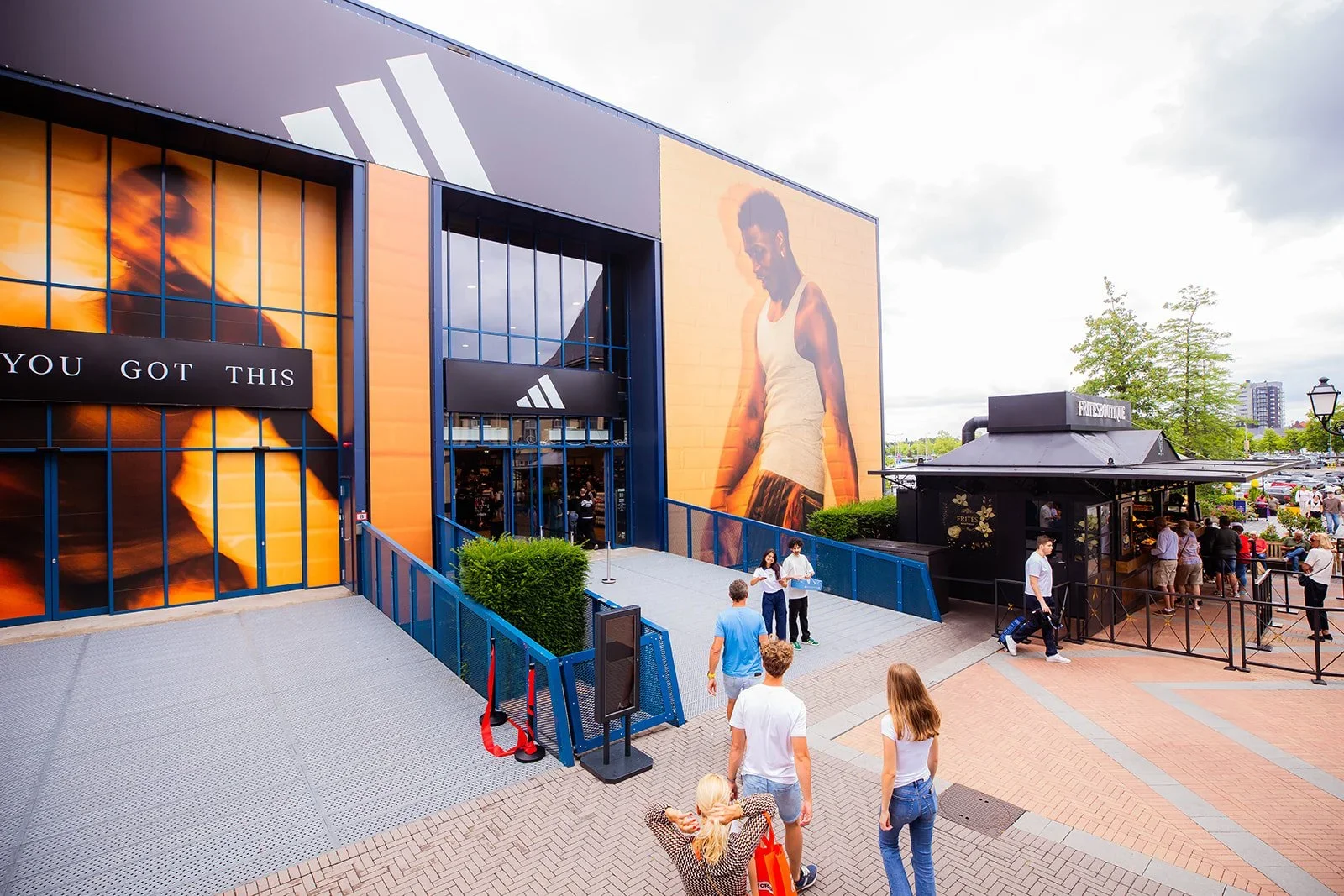
By focusing resource on flagship stores, based on the assumption that this was where the cultural hype and trendy shopper was, adidas was missing key opportunities at outlets — historically a discount graveyard, whilst competitors continued elevated premium storytelling.
To challenge the assumption, consumer data showing higher spend potential and profiles that mapped out the behaviours of different consumers suggested that our culture shopper may not be seen dead in the outlet — the same applied to the high street flagship. Our shopper who is perceived as influential with style is likely 13-18 year olds, therefore able to find true value at an outlet on a suburban family outing, often in affluent suburbs.
SUBCULTURAL RESEARCH
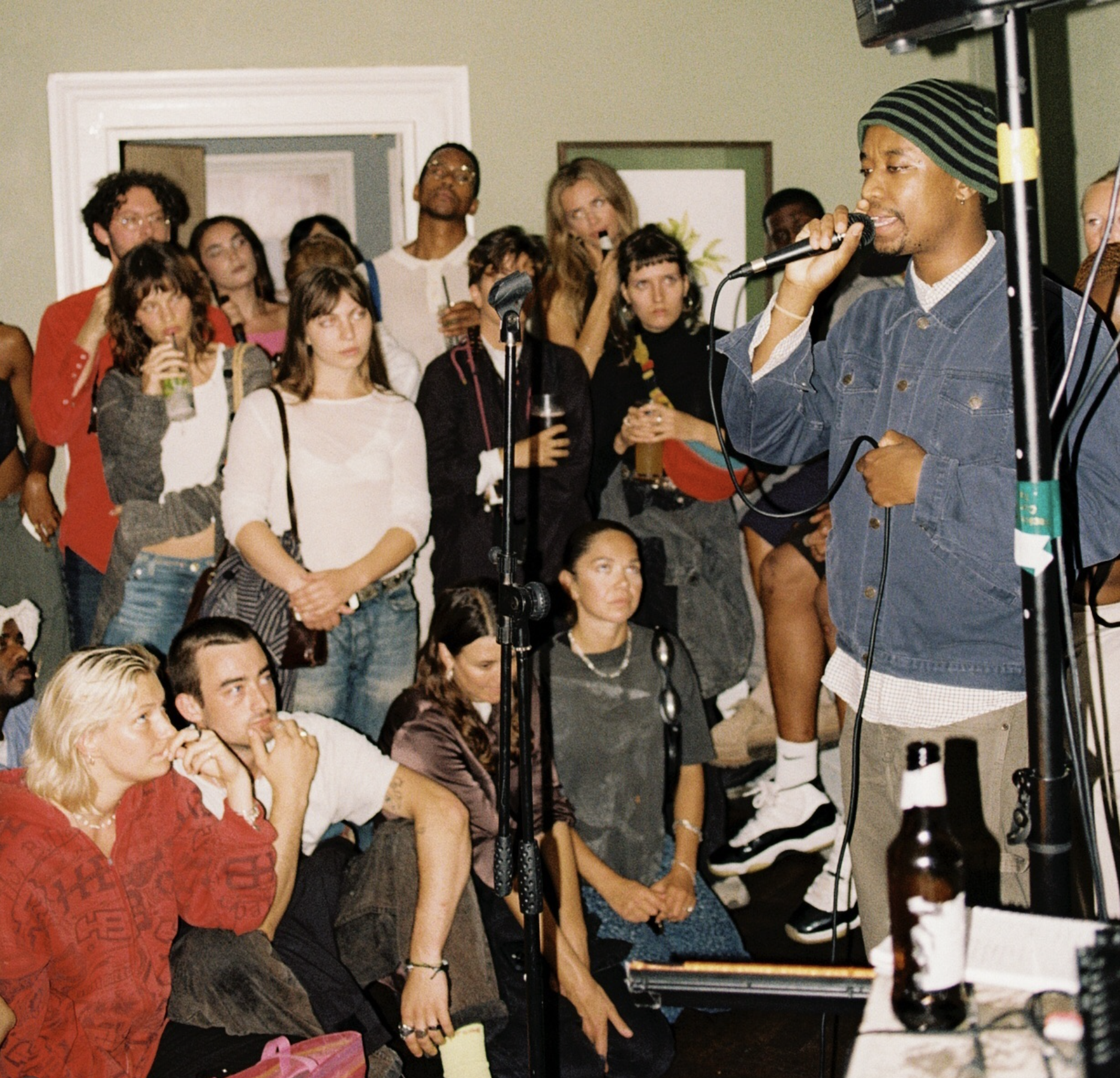
The crux of my work lies in staying on top of ways that subcultures are activating themselves. In a time where creator and community marketing is as effective as it is — knowing who the next collaboration partner is is increasingly important.
I stay close to how this unfolds within sport, music and lifestyle, turning that into actionable insight and strategy for clients who want to be a part of culture and reach it.
I truly believe the brands who invest the most in culture and community will see the most success. To do this they must know where to look.